Muscle Testing · Kinesiology
What is muscle testing?
Muscle testing, also called muscle monitoring, is a form of biofeedback used in kinesiology: a practitioner applies light pressure to a muscle and reads how it responds while a thought, stress or question is introduced. The change in response shows where your nervous system is carrying load. Here is how it works, in plain English.
Page reviewed and updated 16 August 2026
What does muscle testing involve?
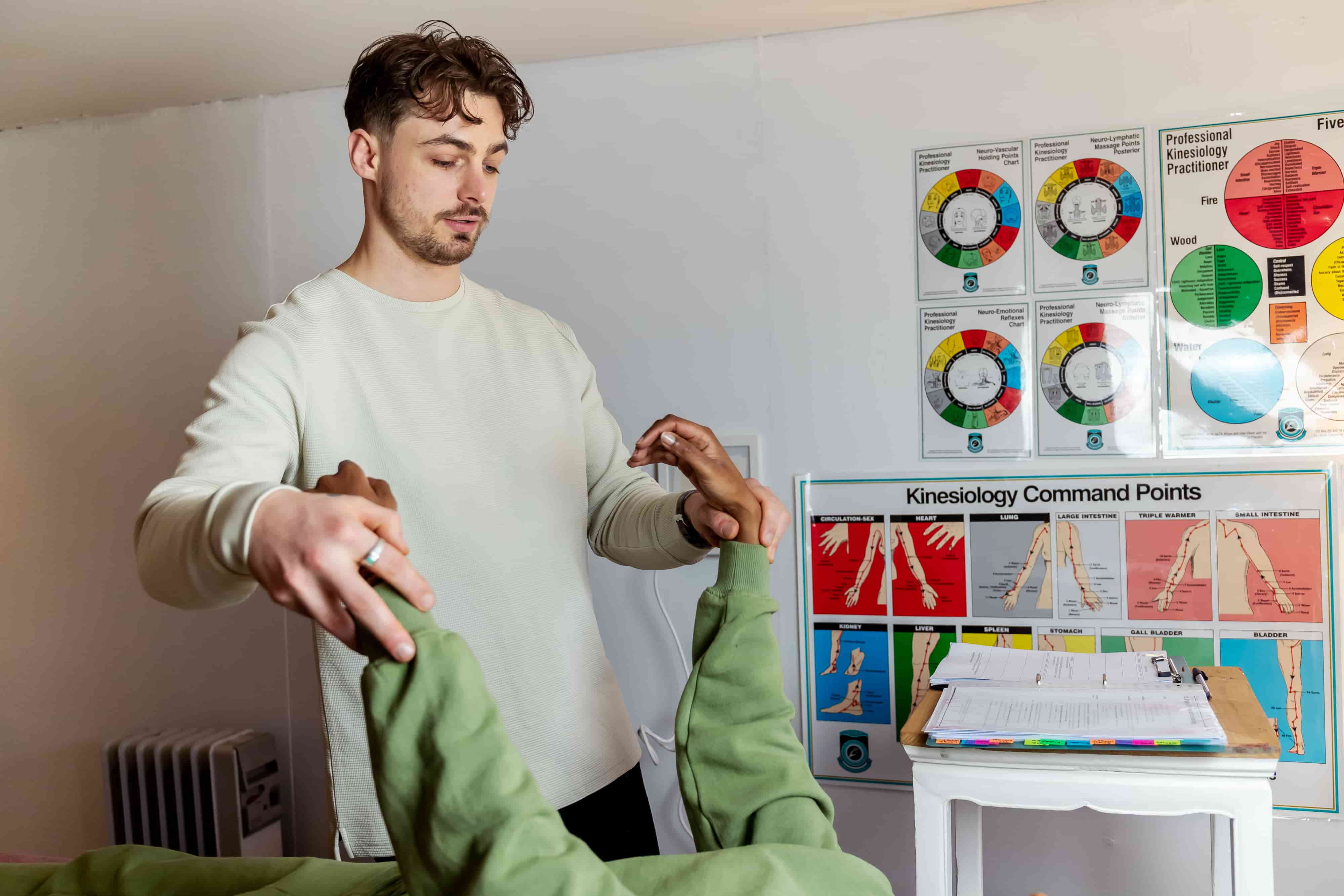
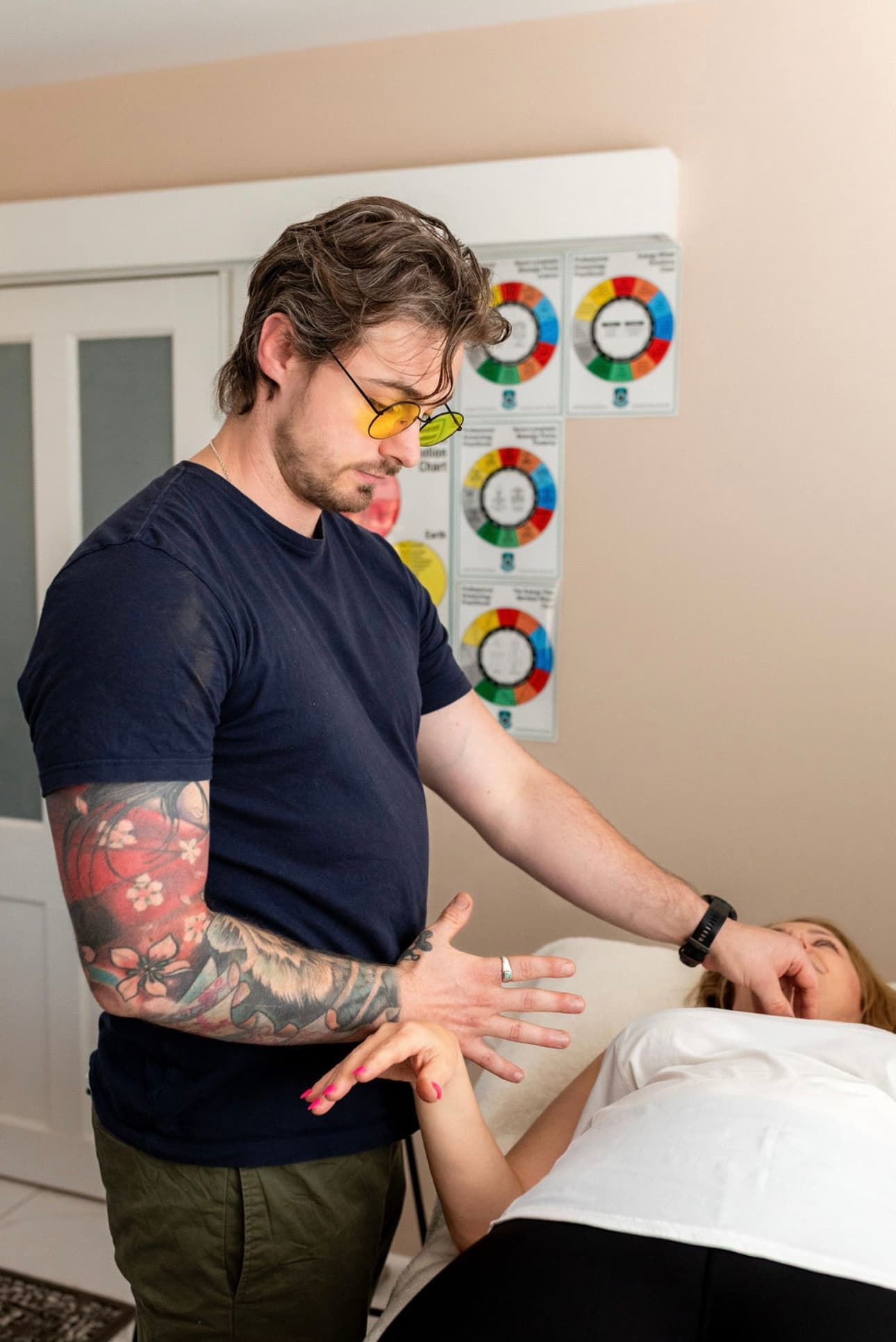
You lie fully clothed on a padded table. I ask you to hold a muscle, usually an arm, against light, steady pressure for around two seconds, and watch how it holds while a thought, stress or theme is introduced. A muscle that suddenly softens under the same pressure is the signal being read.
The muscle is not really what is being tested. How it responds is. That softening is your nervous system showing where it is carrying stress, and reading it is the core skill of kinesiology. Nothing needs to be said out loud for your body to respond.
I use the term muscle monitoring on purpose. Testing implies a verdict about the world. Monitoring is what happens in the room: watching how your own system responds while you hold something in mind. At Intelligentle Healing in Moorabbin, Melbourne, muscle monitoring guides every kinesiology session I run, in person or online.
The Method
How does muscle monitoring work?
Muscle monitoring works in three steps, every time.Establish a clear baseline, introduce a stress or theme, then read whether the response changes.It is the same read I use to help calm a dysregulated nervous system: feedback from the body, at the pace the body sets.
Baseline
I establish a clear, easy muscle response first, so there is a known starting point to read any change against.
Stimulus
A stress, a thought, or a theme you want to work on gets introduced.Nothing has to be said out loud for it to register in the body.
Response
A shift in how the muscle holds shows where your nervous system is carrying load and what it is ready to look at.It is feedback, never a verdict.
What can muscle testing tell you?
Muscle testing can show where your body is holding stress and what it may be ready to release. It cannot diagnose, detect or assess any medical condition, and it is never a substitute for medical testing or advice.
That line matters, because it is where this field most often oversteps.
What it can do
- Show where your nervous system is carrying load right now
- Give you a felt, real-time signal from your own body
- Let the session follow what your body shows, instead of a script
- Track how your stress response settles across sessions
What it can’t do
- Diagnose, detect or assess any medical condition
- Identify allergies, intolerances or nutrient deficiencies (that is GP and lab territory)
- Replace your GP, psychologist or medical team
- Tell you to start, change or stop any medication
If a practitioner muscle tests you and then names a medical condition, sells you supplements, or suggests changing a medication, walk. The work here sits alongside your GP, psychologist and medical team, never in place of them.
Holistic vs applied kinesiology: what’s the difference?
Applied kinesiology, the original branch from 1964, uses muscle testing to read structural and physical imbalances. Holistic kinesiology uses the same muscle test to read the whole person, mind and body together. They share the technique. The questions they ask the body are different.
Kinesiology is a family of methods, and if you have written it off before, there is a fair chance you met the wrong branch for what you needed. Here is how the four main branches compare, and where my work sits.
| Type | Where it came from | What it focuses on | Where you find it |
|---|---|---|---|
| Applied kinesiology | United States, 1964 | Structural and physical imbalances | Hands-on practitioners |
| Sports kinesiology | University science | The science of human movement | Academia and athlete training |
| Holistic kinesiology | Body-mind tradition | The whole person, mind and body together | Wellbeing and stress work |
| PKP Kinesiology (what I practise) | New Zealand, 1980s (Bruce & Joan Dewe) | The nervous system and stored stress | Intelligentle Healing, Moorabbin |
I practise Professional Kinesiology Practice (PKP), a holistic branch developed in New Zealand in the 1980s that works with the nervous system and stored stress. It is also why two people can describe kinesiology so differently: they usually met two different branches. For the full map, read types of kinesiology.
Can muscle testing be done online?
Yes. Online sessions use surrogate and distance muscle monitoring, which follow the same PKP framework as in-person work, and are available anywhere in Australia.
In a surrogate session the monitoring happens through a stand-in for the light pressure, while you take part over video from wherever you are. The structure of the session is identical: a baseline, a theme, a response, and a clear read at the end. Clients outside Melbourne, and plenty inside it, run their sessions this way.
If you are weighing up which to choose, distance changes nothing about the length or shape of the session, so it usually comes down to logistics. Melbourne locals tend to start on the Moorabbin table and move online when travel gets in the way, while interstate and regional clients simply run their sessions online from day one.
What does a session cost?
An initial consultation runs 75 minutes and is $270 AUD. Follow-up sessions are 60 minutes and $220 AUD, and muscle monitoring is part of every session rather than a separate service.
Current prices, what each session includes and how ongoing work is structured all live on sessions and pricing, the one place they are kept up to date. The step-by-step walkthrough of your first visit is on what to expect in your first session.
Two things worth knowing before you book. Kinesiology is not covered by Medicare, and since 2019 it has not been eligible for private health insurance rebates in Australia, so the price you see is the full price. And sessions run in person in Moorabbin or online across Australia, at the same rates either way.
Vildan is the best kinesiologist I have seen. He has help resolve my anxiety in both social situations and within my workplace. I am able to function in a much clearer capacity and I have Vildan to thank.
I felt comfortable diving into some deeper traumas and felt I was able to process them further while feeling safe and free of judgment. I definitely noticed an extra spring in my step and felt more upbeat in the days following the session.
He is a master at his craft, incredibly down to earth and highly intuitive. He listens and guides and creates a really safe space that you can explore yourself and what drives you. The session was powerful but light.
Vildan has an incredible ability to hold space without judgment. After just two sessions I noticed I was responding to stress differently, calmer, clearer, more grounded. Genuinely life-changing work.
I came in sceptical and left a believer. The session surfaced something I’d been carrying for years and just… moved it. I can’t fully explain it but I felt lighter for weeks afterwards.
As someone who’d tried everything for anxiety (therapy, medication, meditation), kinesiology with Vildan was the missing piece. He works at a level nothing else had reached.
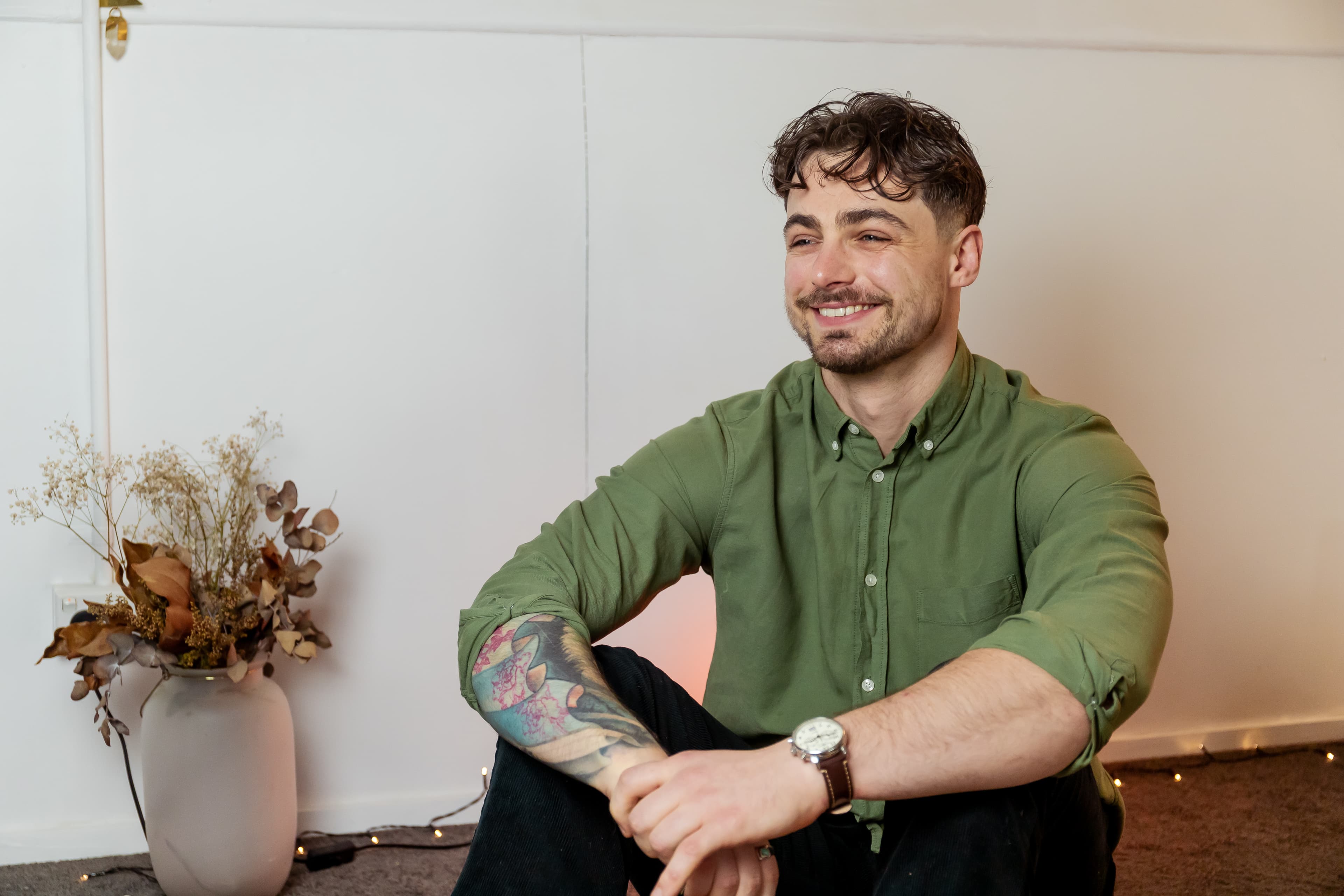
VildanAlihodzic
Trauma-informed PKP Kinesiologist, trained in Professional Kinesiology Practice and registered with the Australian Kinesiology Association. I work with executives and senior professionals across Bayside Melbourne who are running on accumulated stress. Muscle monitoring is the read. The skill is in what I do with it: I follow what your body shows me, at the pace it sets.
What To Expect
What a session looks like
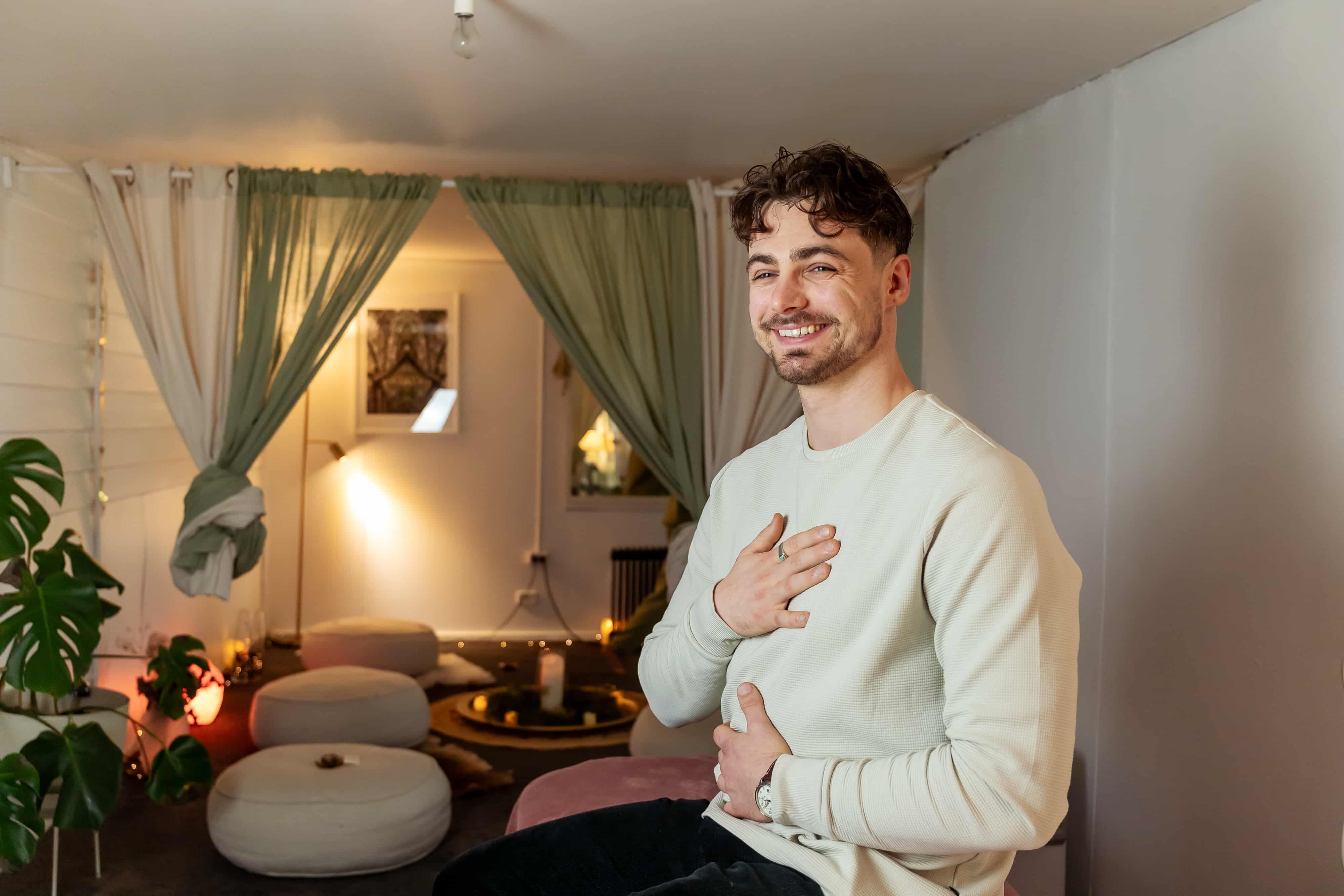
If you have never had a kinesiology session, here is the whole shape of it, so the unfamiliar part feels a lot less unfamiliar before you book, in Moorabbin or online.
- 01
A brief history
You and I talk through what you want to address. You do not need to have it all figured out, that is what the session is for.
- 02
The monitoring begins
Fully clothed on a padded table, light pressure guides the work. Nothing needs to be said out loud unless you want it to be.
- 03
A clear read
I share what came up and the path forward, so you leave knowing what the session found and what is next.
In person in Moorabbin or online across Australia.

Frequently Asked Questions
Common questions about muscle testing
What is muscle testing?
Muscle testing, more accurately called muscle monitoring, is a form of biofeedback used in kinesiology. I apply light pressure to a muscle while you hold a particular thought, stress or stimulus, and read the change in how the muscle responds. At Intelligentle Healing in Moorabbin, I use it to find where your nervous system is carrying load. It does not hurt, and it is not a diagnostic tool. PKP Kinesiology is a complementary health modality and is not a substitute for medical advice.
What is the difference between holistic and applied kinesiology?
Applied kinesiology is the original branch, traced to 1964, and uses muscle testing mainly to read structural and physical imbalances. Holistic kinesiology works with the whole person, mind and body together, and uses the muscle as a way to read the nervous system. I practise Professional Kinesiology Practice (PKP), the holistic branch developed in New Zealand by Bruce and Joan Dewe in the 1980s. They share the muscle-testing technique. The questions they ask the body are different.
Does muscle testing hurt?
No. Muscle monitoring uses light pressure, not force. You stay fully clothed on a padded table, and most people describe it as unusual for the first minute and then easy to settle into. It is gentle by design, because the point is to read your body, not to test your strength.
Can muscle testing detect a medical condition?
No. Muscle monitoring is not a diagnostic tool and cannot detect or assess any medical condition. It reads how your nervous system is responding in the moment, which is a different thing. It is a complement to medical and psychological care, never a replacement for it. If you have a health concern, see your GP. Intelligentle Healing is not an AHPRA-registered provider.
What should I expect in a muscle testing session?
A first session at Intelligentle Healing in Moorabbin runs 75 minutes. I take a brief history of what you want to address, then use muscle monitoring to identify where your nervous system is under the most load. You lie fully clothed on a padded table, and nothing needs to be verbalised. Sessions are calm and structured, and most people leave with a clear read on what came up. Follow-up sessions are 60 minutes. Results vary.
How much does a muscle testing session cost?
Muscle monitoring is part of every kinesiology session at Intelligentle Healing rather than a separate service. An initial consultation is 75 minutes and $270 AUD. Follow-up sessions are 60 minutes and $220 AUD. Kinesiology is not covered by Medicare, and since 2019 it has not been eligible for private health insurance rebates in Australia, so the price you see is the full price.
Is muscle testing scientifically proven?
Muscle monitoring is a feedback technique used within kinesiology, which is a complementary health modality, not a medical one. It is best understood as a way to read the nervous system, and it is not a substitute for medical advice or evidence-based testing. Many clients find it useful alongside medical and psychological care. I’m upfront about what the work is and is not, so you can decide whether it fits.
Can muscle testing be done online?
Yes. I offer online sessions using surrogate and distance muscle monitoring, which follow the same Professional Kinesiology Practice framework as in-person work. Online sessions are available to clients anywhere in Australia and suit people outside Melbourne or those who prefer to work from home.
Kinesiology is a complementary health practice and is not a registered health profession in Australia. Sessions are not a substitute for medical advice or treatment.