Reiki
A Japanese energy-based practice with no muscle-testing step. A receiving experience rather than a feedback-led one. We compare the two in detail in the kinesiology vs reiki guide.
“Kinesiology” covers a few different things, and that is exactly why people get confused before they book. Here is the map: the main branches, what each one does, and where practices like reiki sit next to them.

Start With the Map
Because two unrelated fields ended up sharing a name. One is a group of complementary therapies that use muscle monitoring. The other is the university science of human movement. Inside the therapy side, the split that matters is applied kinesiology, which reads structure, against holistic kinesiology, which reads the whole person.
Victoria’s Better Health Channel describes that therapy side as work that stems from chiropractic and applied kinesiology, and draws the same line this page does: where applied kinesiology tests muscles for strength, the later forms use muscle monitoring as biofeedback. Same tool, different question.
So if you have written kinesiology off before, there is a fair chance you just met the wrong branch for what you needed. This page is the overview. For how the muscle test actually works, the muscle testing page goes deeper. New to all this? Start with what kinesiology is, in plain English.
The Short Version
The big misunderstanding
Kinesiology isn’t one technique, it’s a family of branches that share one tool, muscle testing.Each branch uses it to ask the body a different question, and the university sports science with the same name is a separate field entirely.Meet the wrong branch and you might write the whole thing off.
The split that matters
Applied kinesiology reads physical structure.Holistic kinesiology reads the nervous system and the whole person.Same muscle test, different questions.
What I practise
Professional Kinesiology Practice is a precise branch of holistic kinesiology.It works with the nervous system and stored stress, for things like stress, burnout and anxiety.Complementary, not medical, and results vary.
The Branches
Four things get called kinesiology. Applied kinesiology reads structure, holistic kinesiology reads the whole person, and PKP is a precise branch of the holistic side. Sports kinesiology is the university study of movement, an academic field rather than a therapy.
| Branch | Where it came from | What it reads | Therapy, or academic field? |
|---|---|---|---|
| Applied kinesiology | United States, 1964 | Structural and physical imbalances | Complementary therapy |
| Holistic / specialised kinesiology | Body-mind tradition | The nervous system and the whole person | Complementary therapy |
| PKP (what I practise) | New Zealand, 1980s | The nervous system and stored stress | Complementary therapy |
| Sports / academic kinesiology | University science | Human movement and biomechanics | Academic field, not a therapy |
Read the last column first. Three of these four are complementary therapies that share muscle monitoring. The fourth only shares the name.
Open any one for the detail, and see where my work sits among them.
The original branch, traced to the American chiropractor Dr George Goodheart in 1964. It uses muscle testing mainly to read structural and physical imbalances, and tends to be hands-on and body-focused. Most of the branches that came later, including the holistic ones, grew out of this starting point. It is a different emphasis from the nervous-system work I do.
A family of styles that use the muscle as a way to read the nervous system and the whole person, rather than a structure to correct. This is usually what people are after when they come in for stress, burnout, anxiety, or patterns that have not shifted with talk alone. PKP, the branch I practise, sits inside this family.
Professional Kinesiology Practice is a precise, clinically developed branch of holistic kinesiology, created by Dr Bruce Dewe, a New Zealand medical doctor, and Joan Dewe. It draws on neurology, physiology, Chinese medicine and energy psychology, and works with the nervous system and stored stress using gentle muscle monitoring. This is the work at Intelligentle Healing, in person in Moorabbin or online across Australia. Results vary.
This is the one that causes the confusion. Sports or academic kinesiology is the university study of human movement, biomechanics and exercise. It is a science taught in degrees, not a complementary therapy, and it has nothing to do with the muscle-monitoring work on this page. Worth knowing, so you do not book the wrong thing.
Want the deep dive on holistic versus applied, and what the muscle test is actually reading? That lives on the muscle testing page. If you already know which branch you want, book a session with me.
Where Other Practices Sit
No. Neither has a muscle-monitoring step, which is the thing every branch of kinesiology has in common. They are neighbours people compare, not branches of the same practice. Both are worth knowing about, and both are separate things.
A Japanese energy-based practice with no muscle-testing step. A receiving experience rather than a feedback-led one. We compare the two in detail in the kinesiology vs reiki guide.
Works through guided relaxation and the spoken word to shift patterns at the level of the mind. Kinesiology works through the body and uses muscle monitoring as its read, so the two start from different places.
On the reiki question specifically, the kinesiology vs reiki guide compares the two fairly, side by side.
Who You’d See
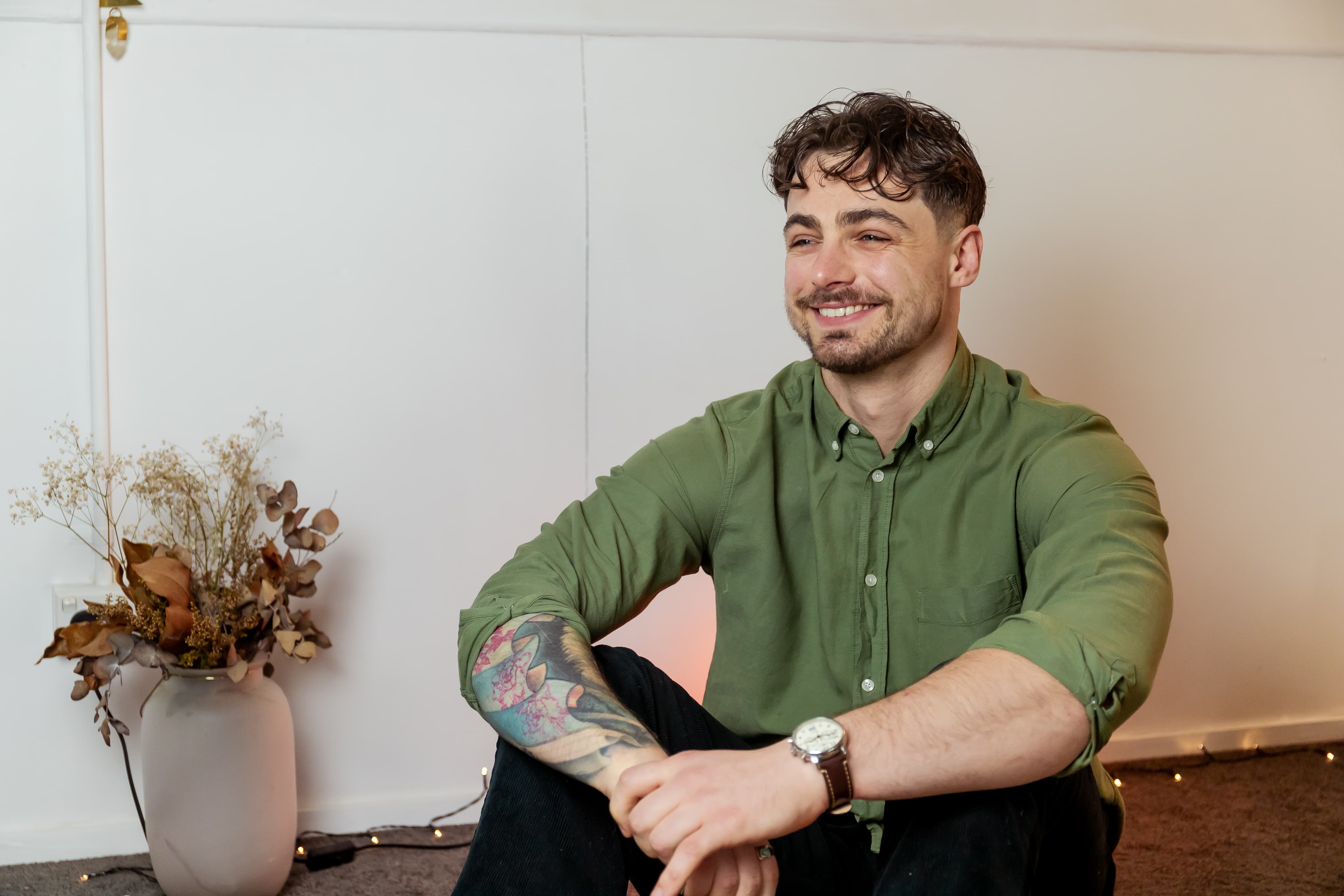
Usually not. The branch tells you what kind of question gets asked, and the practitioner decides how well it gets asked. I practise PKP, trauma-informed, and the work moves at the pace your nervous system sets rather than a pace I set.
If the branches matter less to you than the day-to-day, here is what a kinesiologist actually does. Clients tend to review the person, not the branch. Zehra wrote in her Google review: “If you’re looking for a kinesiologist who is intuitive, compassionate, and genuinely invested in your growth, I can’t recommend Vil highly enough.”
Ask, because nobody is checking for you. Kinesiology is not a registered health profession in Australia and is not regulated by AHPRA, so training and standards sit with the modality colleges and the Australian Kinesiology Association, the industry body Better Health Channel points the public to. Ask any practitioner what they trained in and where.
Worth being straight about the evidence too. The Australian Government’s Natural Therapies Review 2024 found one eligible kinesiology study, a trial of PKP for chronic low back pain, and rated that evidence very uncertain, with no eligible studies at all on stress, anxiety or sleep. That is the honest position on the branch I practise, and it is why nothing on this site promises an outcome.
Still not sure which type you need? That is normal, and it is exactly what a first conversation is for. Read my story, or start with a free clarity call below.
Frequently Asked Questions
Broadly, there are three. Applied kinesiology is the original branch, traced to 1964, and reads structural and physical imbalances. Holistic or specialised kinesiology works with the whole person and reads the nervous system rather than just structure. Sports or academic kinesiology is a separate university field studying human movement, not a therapy. Professional Kinesiology Practice (PKP), which I practise at Intelligentle Healing in Moorabbin, is a precise, clinically developed branch of holistic kinesiology. Kinesiology is a complementary practice and is not a substitute for medical advice.
I’m Vildan Alihodzic, and I practise Professional Kinesiology Practice (PKP), developed in New Zealand in the 1980s by Dr Bruce Dewe and Joan Dewe. It is a branch of holistic kinesiology that works with the nervous system and stored stress, using gentle muscle monitoring as its feedback tool. Sessions run in person in Moorabbin, Melbourne, or online across Australia. Results vary.
In short, applied kinesiology focuses more on structural and physical imbalances, while holistic kinesiology, the family PKP belongs to, reads the whole person and the nervous system. They share the muscle-monitoring technique but ask the body different questions. The muscle testing page goes through this difference properly, including what each one actually does in a session.
No. Reiki is a separate complementary practice. It is a Japanese energy-based approach with no muscle-testing or feedback step, so it is a different thing from kinesiology rather than a branch of it. People often compare the two because both are gentle and hands-on. If you are weighing them up, the kinesiology vs reiki guide lays out how they differ. Both are unregistered, complementary practices in Australia and neither replaces medical care.
It depends on what you are after. If you want help with stress, burnout, anxiety, or a nervous system stuck on high alert, a holistic branch like PKP is usually the fit, because it works with the nervous system rather than structure alone. The honest way to find out is a first session: I give you a clear read on whether the work suits you. Kinesiology is a complement to medical and psychological care, never a replacement, and results vary.
That is what a first session is for. I practise PKP kinesiology in Moorabbin, with online sessions across Melbourne, and give an honest read on whether the work suits you.
Kinesiology is a complementary health practice and is not a registered health profession in Australia. Sessions are not a substitute for medical advice or treatment.