Kinesiology vs naturopathy, compared fairly
Two complementary approaches people weigh against each other, and that work in genuinely different ways. Here is a fair read on both, so you can pick the one that fits you, not the one with the better marketing.
What Each One Is
Two traditions, two mechanisms
Kinesiology grew out of work by a Detroit chiropractor, Dr George Goodheart, who in 1964 noticed that manual muscle testing could do more than grade strength, it could give a window into the body’s responses. That became applied kinesiology. The branch practised at Intelligentle Healing, PKP, was developed in the 1980s by Dr Bruce Dewe, a New Zealand medical doctor, and his wife Joan Dewe. It works with the nervous system and uses muscle monitoring as its feedback signal, in a hands-on session.
Naturopathy evolved from health-care traditions popular in 19th-century Europe, built on the idea of the healing power of nature, the body’s own capacity to heal given the right conditions. A naturopath works mainly through diet, nutritional medicine, western herbal medicine, supplements and lifestyle advice. It is about what you take and change over time, not a hands-on session and nothing you ingest in the room.
So one works from the outside in, through what you eat, take and change over weeks. The other works through a session that reads your body’s live responses. Two different traditions, two different mechanisms.

Side by Side
The quick comparison
The same seven dimensions, read across both practices. Neither column is the winner, they are just different.
The Short Version
Three things that actually separate them
The core difference
One is a plan, one is a session
Naturopathy gives you supplements, diet and herbs to follow over time.Kinesiology is a hands-on session that reads your body as it goes, with a muscle-monitoring feedback loop.That single difference shapes everything else.
The experience
A plan to follow, or a session
With naturopathy you leave with things to take and change at home.With kinesiology you lie fully clothed and your body steers an interactive session.
Choosing
Neither is “better”
Want to work through diet, herbs and supplements? Naturopathy.Want a body-based, nervous-system session? Kinesiology.Some people use both.Both are complementary, not medical, and results vary.
How a Session Differs
One is a plan to follow, one is a hands-on session
In a naturopathy consultation, you talk through your health history, diet and goals. The naturopath may take a detailed case history, and some use tools like iridology or in-house testing. You usually leave with a plan: supplements to take, foods to add or drop, herbs, and lifestyle changes to work on over the following weeks. The work happens at home, over time, through what you take and change.
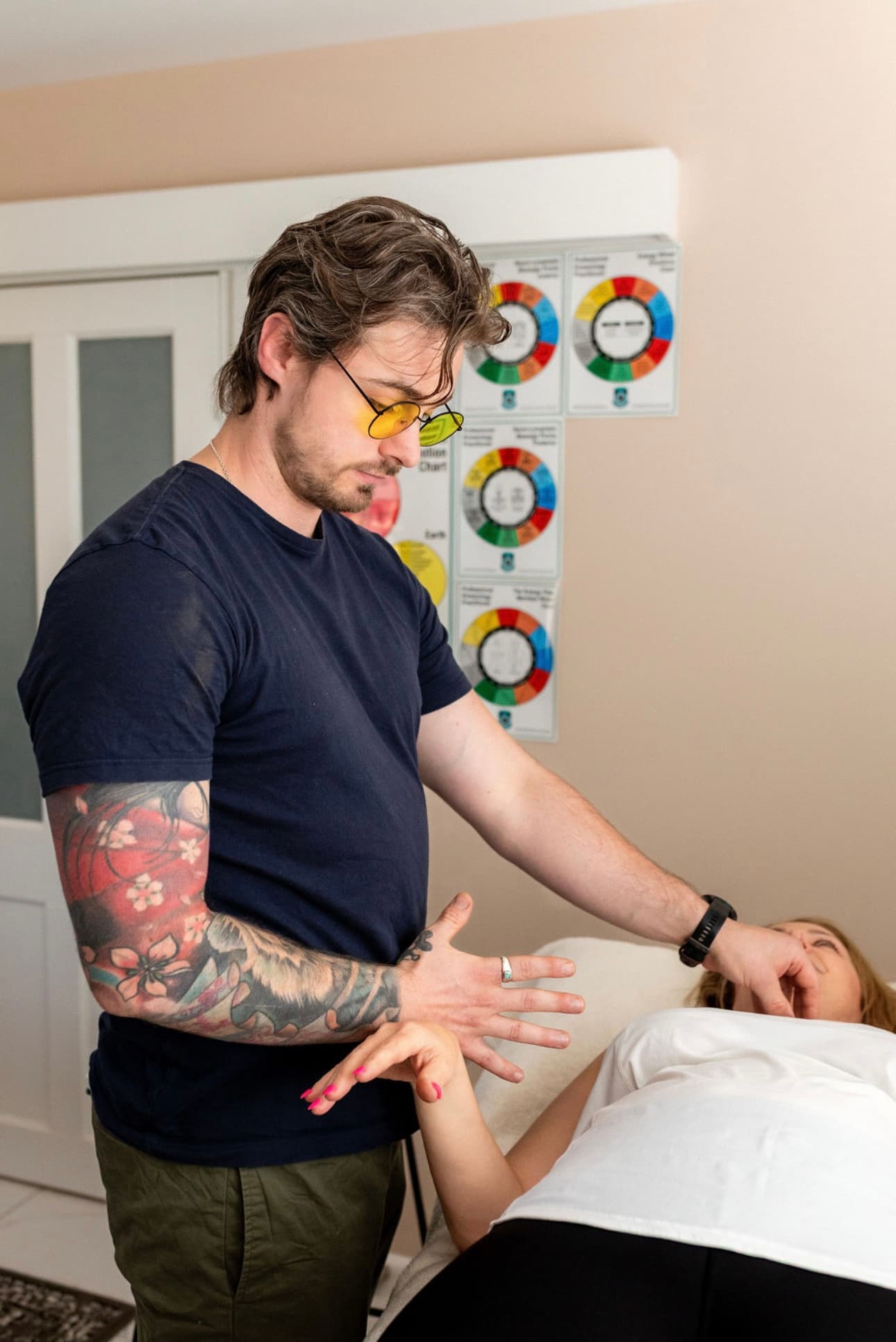
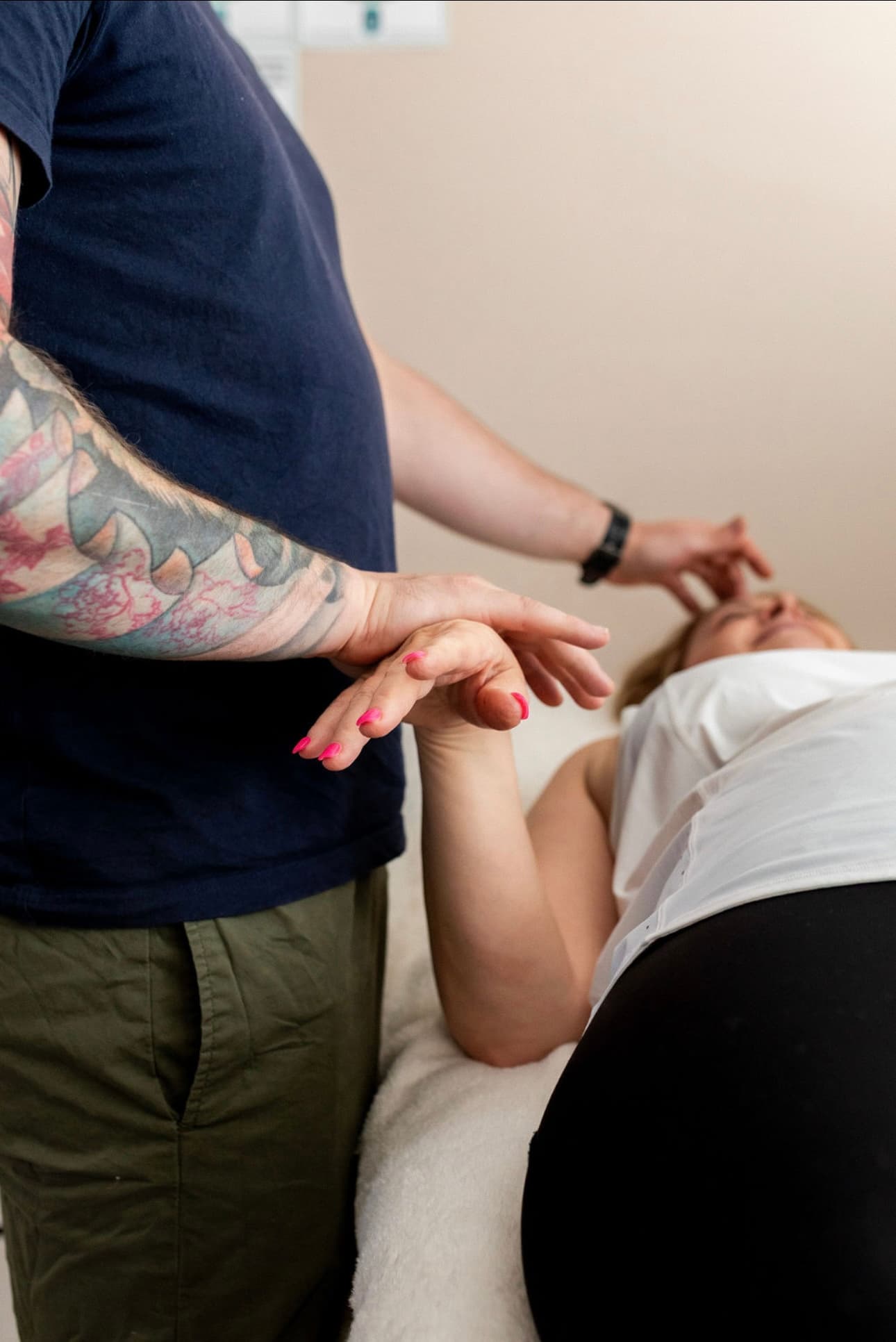
A kinesiology session is different in kind. You talk first, then lie on a table fully clothed while I test specific muscles using light pressure. This is not a strength test. It reads how the nervous system is responding, and where a muscle shows a different response, that points to stress held somewhere in the system. The session then follows what your body shows, using techniques like acupressure points, gentle movements, or breathwork. That thoroughness is what people tend to notice. A client, Giuliano, wrote in his Google review: “Highly recommend Vildan for a Kinesiology session. He was knowledgeable, caring and thorough in his questioning and getting to the root of the goal we worked on and then doing the session.”
Nothing is ingested in a kinesiology session, and you do not leave with supplements or a diet plan. The change is worked through in the room, with your body as part of the process.
The headline difference: naturopathy hands you a plan to follow away from the room. Kinesiology is a hands-on session that works with your nervous system in the moment.
Both are valid starting points. People often lean toward kinesiology when they want a session that responds to their body and works with the nervous system directly, which is one reason some look into kinesiology for anxiety rather than a plan to follow at home.
Others lean toward naturopathy when they want to work through diet, nutrition and herbs. If you are weighing a kinesiologist in Melbourneagainst a naturopath, the question is less “which is better” and more “which approach fits what I am after.”
How to Choose
A few honest filters
- Do you want a plan, or a session? If you want things to take and change at home, naturopathy fits. If you want a hands-on session that reads and responds to your body, kinesiology fits.
- Are you happy taking supplements and herbs? Naturopathy often involves nutritional supplements and herbal medicine. Kinesiology involves nothing ingested, it is a body-based session.
- What draws you? Some people want to work on health through diet, nutrition and lifestyle. Others want a structured, nervous-system approach with a built-in feedback loop. Both are valid starting points.
- Are you happy to try and see? Many people use both, a naturopath’s plan can run alongside a body-based session. Neither choice is permanent, and neither rules out the other.
An Honest Word on the Evidence
Both are complementary, not medical
In Australia, both kinesiology and naturopathy are complementary practices. Neither is registered with AHPRA. Naturopathy is self-regulated through voluntary professional associations rather than a government register, and kinesiology sits in the same complementary, unregistered space. As the Victorian Government’s Better Health Channel points out, complementary therapists are not required by law to hold conventional medical qualifications, so checking a practitioner’s training and association membership matters.
It is also worth being honest about the research and the funding history. Naturopathy was one of sixteen natural therapies cut from private health insurance general-treatment rebates from 1 April 2019, after an earlier review found the evidence for them insufficient. The more recent 2024 Natural Therapies Review, looking at newer evidence, recommended naturopathy for re-inclusion, though at the time of writing that had not yet taken effect and any cover would be up to individual insurers. Kinesiology’s evidence base is also limited. Either way, both are supportive, complementary choices rather than medical ones. Whichever you choose, keep your GP involved for any health concern. Results vary from person to person.
Frequently Asked Questions
Common questions about kinesiology and naturopathy
What is the difference between kinesiology and naturopathy?
Kinesiology is a hands-on session that uses gentle muscle monitoring as a feedback tool to read how your nervous system responds, then works from what your body shows. Naturopathy works mainly through diet, nutrition, western herbal medicine, supplements and lifestyle advice, things you take and change over time. Both are complementary, unregistered practices in Australia. The clearest difference is the format: kinesiology is an interactive session in the room, naturopathy is a plan you follow at home.
Is kinesiology or naturopathy better for stress or anxiety?
Neither is objectively better, and results vary. People who want a body-based session that responds to their nervous system often prefer kinesiology, which is why some look specifically for kinesiology for anxiety. People who want to work on stress through diet, nutrition, herbs and lifestyle often choose naturopathy. The right fit depends on what you are looking for, not on one modality outranking the other.
Can I do both kinesiology and naturopathy?
Yes. The two are not mutually exclusive, and many people use complementary approaches alongside each other. A naturopath’s plan of supplements, diet and herbs can run alongside a body-based kinesiology session, since one works through what you take and change at home and the other works in the room. Neither is a substitute for medical advice, so keep your GP in the loop for any health concern.
Are kinesiology and naturopathy medical care, or registered with AHPRA?
No. Both kinesiology and naturopathy are complementary health practices in Australia and neither is registered with AHPRA. Naturopathy is self-regulated through voluntary professional associations rather than a government register. Neither offers a clinical assessment, and neither replaces care from a doctor. They sit alongside conventional healthcare, not in place of it.
Does naturopathy have evidence behind it?
The picture is mixed, and it is fair to be honest about it. Naturopathy was removed from private health insurance rebates in 2019 after a review found the evidence insufficient, then the 2024 Natural Therapies Review, looking at newer evidence, recommended it for re-inclusion. So there is some supportive evidence for certain outcomes, but the overall base is still limited, as it is for kinesiology. Both are best approached as complementary, not medical, and results vary.
Sources
- Naturopathy (Better Health Channel, Victoria) (betterhealth.vic.gov.au)
- Naturopathy: What You Need To Know (NCCIH) (nccih.nih.gov)
- These complementary therapies may soon be eligible for private health insurance rebates (The Conversation) (theconversation.com)
- About ARONAH, the self-regulatory register for naturopathy and Western herbal medicine (aronah.org)
- Complementary therapies, choosing a practitioner (Better Health Channel, Victoria) (betterhealth.vic.gov.au)

The Kinesiology Side
If the hands-on, feedback-led approach is the one for you
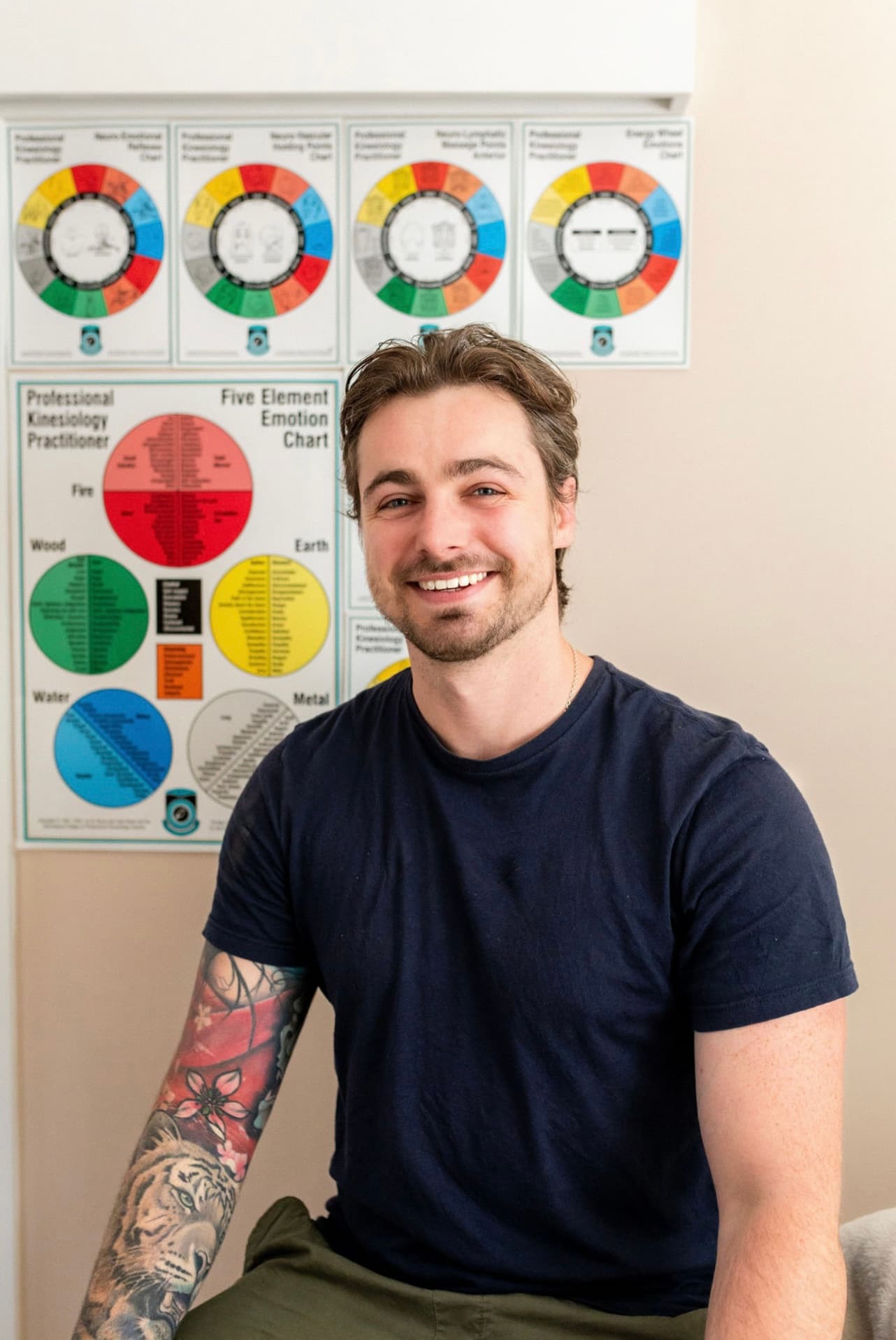
The comparison is the easy part. The harder, more useful question is whether kinesiology fits what you are carrying right now. I practise PKP, trauma-informed, in Moorabbin and online across Australia, and the work moves at the pace your nervous system sets.
Not sure yet? That is what a first conversation is for. Read my story, or book a free clarity call below.
Curious about the kinesiology side?
If the hands-on, feedback-led approach sounds like the fit you are after, the simplest next step is a conversation. I practise PKP kinesiology in Moorabbin, with online sessions available across Melbourne.
Kinesiology is a complementary health practice and is not a registered health profession in Australia. Sessions are not a substitute for medical advice or treatment.